Off Grid
Off Grid Solar Panel
Off-Grid Solar System
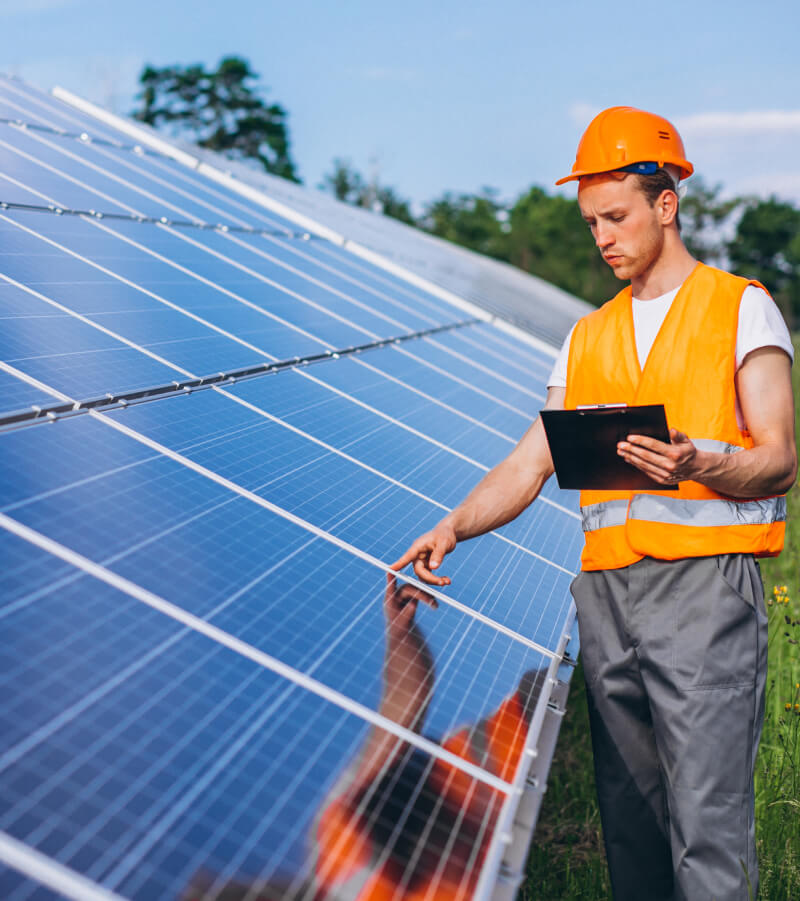
Off-grid solar power systems, often known as stand-alone power systems (SAPS), are among the most common varieties. It operates by employing solar panels to generate power, which is then used to charge a solar battery using a charger controller.
Battery bank
Stores excess solar energy for use during nights or power outages, ensuring uninterrupted electricity even when sunlight is unavailable.
Solar Charge Controller
Regulates voltage and current from solar panels to the battery, preventing overcharging and extending battery life for long-term reliability.
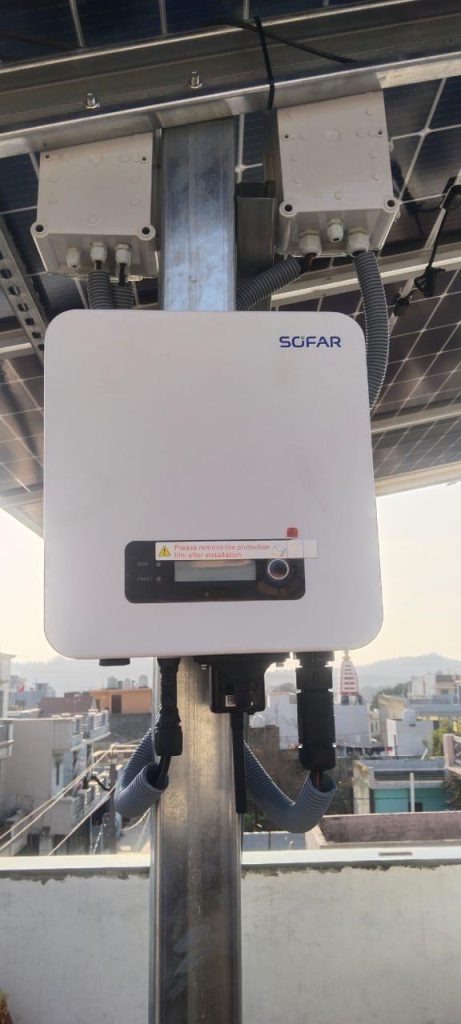
Off-grid solar inverter
Converts stored DC power into usable AC electricity, allowing you to run household appliances smoothly without relying on the grid.
DC Disconnect Switch
Provides a safe way to cut off power between solar panels and the system, essential for maintenance and emergency protection.
Backup generator
Acts as a secondary power source during prolonged low-sun conditions, ensuring continuous power when solar output is insufficient.
Advantages of On-Grid Solar Systems
Users have complete control over their power source.
Since you generate and consume generated power, you’re not subject to fluctuating energy prices or monthly bills.
It’s a powerful solution for remote areas with unreliable electricity.
With proper system sizing and battery storage, you can have reliable power even during periods of low sunlight.
How to decide the appropriate size for an off-grid solar system
1️⃣ Determine daily kilowatt-hour (kWh) energy requirements. This can be calculated by adding up the wattage of all appliances you use and the average usage duration.
2️⃣ Divide daily energy requirements by the peak sun hours in your location to get the kW output you need from your solar panels. A helpful rule of thumb is to opt for a 12V system if your energy needs are less than 1,000 watts or a larger system if your usage is between 1,000 and 3,000 watts.
3️⃣ Determine your budget. While larger systems can generate more power, they come with higher upfront costs. It’s crucial to balance your energy needs with what you can afford. You can use tools like the PVcase Yield calculator to help determine the best system size for your needs.
Batteries
Lithium batteries – a battery type that can be stored without ventilation, are safe to use, low maintenance, and have a long lifespan. These advantages make lithium batteries a popular choice for off-grid solar systems.
Flooded lead-acid batteries – a type of lead-acid battery that requires maintenance, including water level checking. However, it’s a more budget-friendly solution than lithium batteries.
AGM lead acid batteries – lead acid battery type that doesn’t require maintenance but offers a shorter lifespan than lithium batteries. It’s usually more expensive than flooded batteries but still cheaper than lithium.